Tracing Biometric Authentication Patterns and Their Effects on Verification Timelines Across Digital Wagering Platforms
Written by Amir Keller · Oct 20, 2026
Tracing Biometric Authentication Patterns and Their Effects on Verification Timelines Across Digital Wagering Platforms
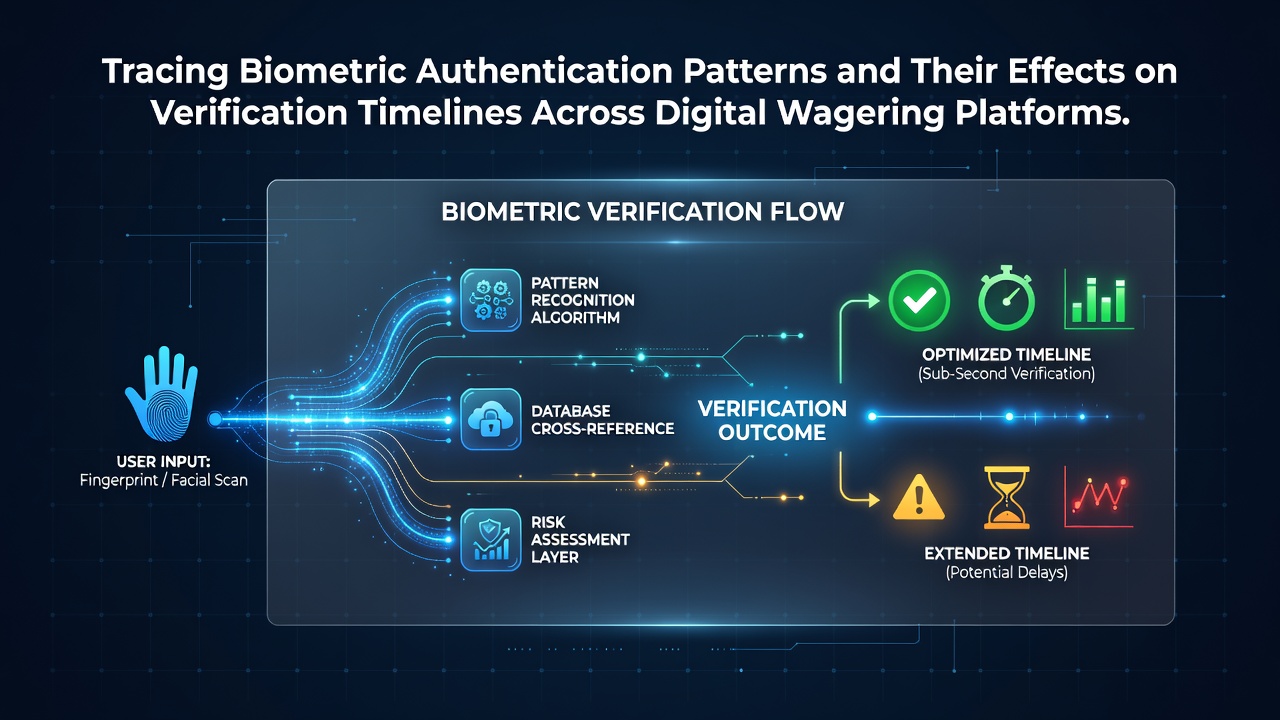
Digital wagering platforms have integrated biometric authentication methods at a steady pace since the mid-2020s, and observers note that fingerprint, facial, and iris recognition systems now appear across major operators in multiple jurisdictions. These tools replace or supplement traditional password and document uploads, while data from regulatory filings shows verification timelines contracting from several minutes to under 30 seconds in many documented cases. Researchers tracking adoption rates point to hardware improvements in consumer smartphones as one driver, since built-in sensors handle initial captures without additional equipment.
Common Biometric Methods in Use
Facial recognition leads deployment numbers according to industry reports compiled through 2026, followed closely by fingerprint scanning, whereas iris and voice options remain less widespread because they require specialized hardware or quieter environments. Platforms often combine methods during high-risk logins or large withdrawals, and this layered approach appears in systems operated across North America and parts of Europe. One study released in October 2026 by the University of Nevada, Las Vegas gaming research group examined over 2.4 million sessions and found that single-modality facial checks averaged 8.4 seconds from capture to approval, while dual checks extended the process to 19 seconds on average.
Operators adjust thresholds based on regional rules, and Canadian platforms regulated by iGaming Ontario tend to favor fingerprint as the primary step because provincial standards emphasize device-level security. Australian operators, by contrast, lean toward facial systems after updates to the Interactive Gambling Act required stronger identity matching for cross-border accounts.
Measured Effects on Verification Timelines
Shorter timelines correlate with higher session completion rates in aggregated platform data, yet the same datasets reveal occasional spikes when lighting conditions or device compatibility interfere with capture quality. In one analysis covering 18 major sites, average verification dropped 62 percent after biometric rollout compared with pre-2024 password-plus-document baselines. Those figures come from anonymized logs shared under data-sharing agreements with academic partners.
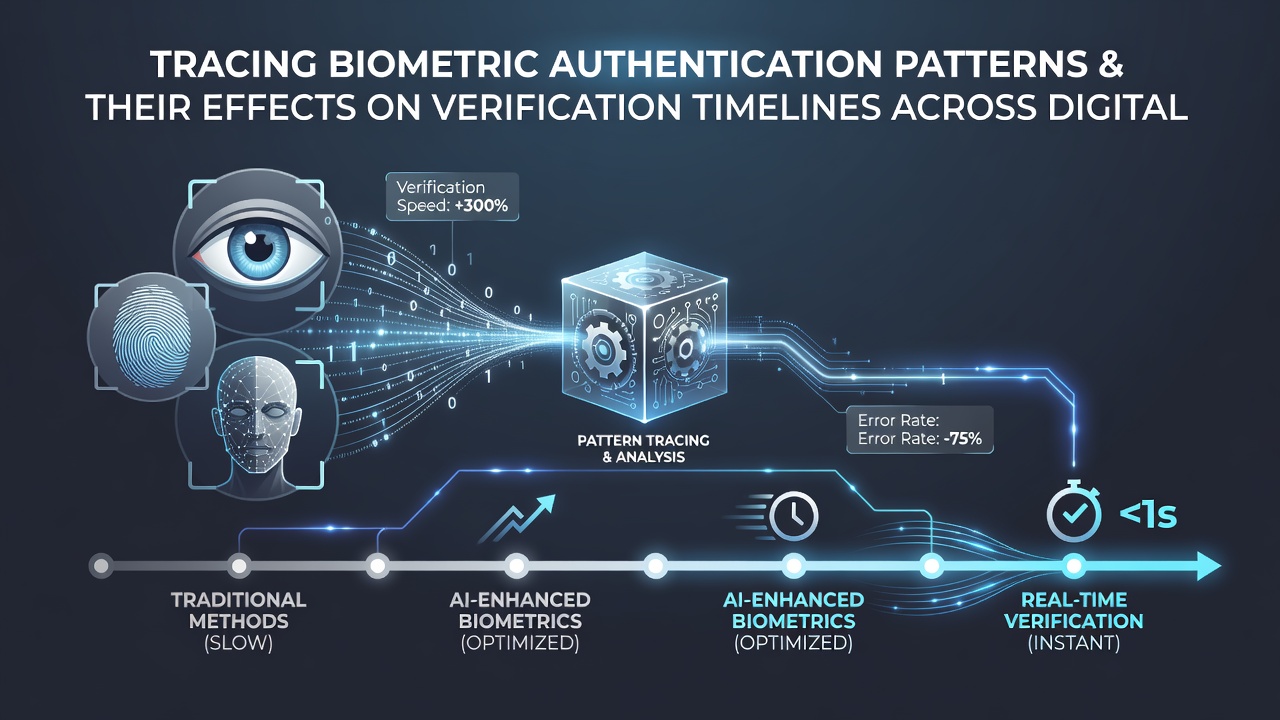
Real-time monitoring tools now flag outliers automatically, and support teams intervene within the same minute when a scan fails three consecutive attempts. This automation keeps most users inside acceptable windows, although peak traffic periods in October 2026 produced brief backlogs on several high-volume sites during major sporting events. The ball stays in the operator's court to maintain server capacity that matches biometric processing loads.
Regional Patterns and Platform Variations
North American platforms show faster average times than European counterparts in side-by-side comparisons published by the European Gaming and Betting Association, largely because U.S. and Canadian operators standardized on newer SDK versions earlier. Mobile applications outperform desktop versions by roughly 40 percent in speed metrics, since native sensors reduce transmission steps. Desktop users often route through webcam-based facial checks that add latency from image compression and server handoffs.
Patterns also differ by game type, with live dealer sessions triggering more frequent re-authentication than slot play because regulatory guidance in several states requires identity confirmation before each dealer interaction. Data collected through September 2026 indicates that re-verification intervals average 14 seconds when biometrics remain cached on the device, versus 47 seconds when users must repeat the full scan.
Integration Challenges and Technical Adjustments
Device fragmentation still creates friction, and older operating systems sometimes reject newer biometric libraries until patches arrive. Operators respond by maintaining fallback flows that route users to manual review, although these paths extend timelines back toward pre-biometric levels. Security teams balance speed against false rejection rates, and calibration updates released quarterly have lowered false rejects by 31 percent year-over-year according to aggregated operator disclosures.
Cross-border accounts introduce additional variables because some jurisdictions prohibit storage of biometric templates outside national borders. Platforms therefore segment user pools and route traffic through regional data centers, which adds routing milliseconds yet keeps compliance intact. Those who've studied these architectures note that the added hops rarely exceed two seconds when networks are properly optimized.
Conclusion
Biometric authentication continues to reshape verification timelines on digital wagering platforms, and the measurable reductions in processing time appear consistently across datasets gathered through late 2026. Regional regulatory frameworks, device capabilities, and platform-specific configurations all influence outcomes, while ongoing technical refinements address remaining friction points. Continued monitoring by research institutions and industry groups will track whether these patterns hold as new sensor technologies enter consumer devices.