Analyzing the Effects of Data Privacy Laws on Feature Availability in Virtual Card and Reel Games
Written by Cameron Schmidt · Nov 3, 2026
Analyzing the Effects of Data Privacy Laws on Feature Availability in Virtual Card and Reel Games
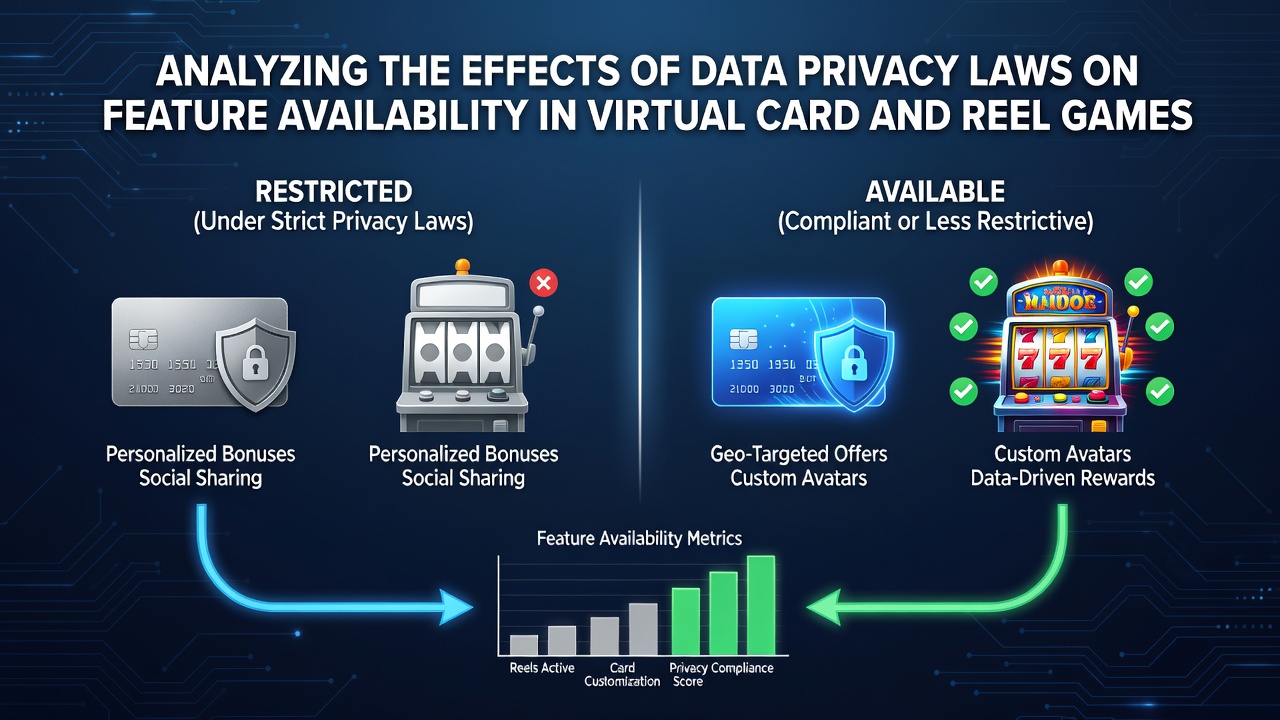
Data privacy regulations have reshaped how operators deliver features in virtual card and reel games, with rules like the European Union's General Data Protection Regulation and California's Consumer Privacy Act setting strict boundaries on data collection and processing. These frameworks require explicit consent for tracking user behavior, which directly influences options such as personalized game recommendations, real-time bonus triggers, and cross-session loyalty tracking. Research from the European Data Protection Board shows that compliance measures often limit the availability of dynamic elements that once relied on unrestricted data flows.
Core Regulations Driving Feature Adjustments
Operators in multiple regions have adapted to overlapping statutes that govern personal information in gaming platforms. The General Data Protection Regulation mandates data minimization and purpose limitation, while similar statutes in Canada and Australia impose comparable restrictions on behavioral profiling. Studies indicate that these rules reduce the scope for features dependent on continuous monitoring, including adaptive difficulty settings in reel games and targeted card game promotions based on past play patterns. Figures from regulatory filings reveal that many platforms now default to anonymized data sets, which curtails certain interactive elements available before stricter enforcement began.
Observers note that consent mechanisms introduced under these laws have altered user onboarding flows in virtual environments. Players must now actively opt in to data sharing before accessing advanced features, and this step sometimes results in reduced functionality for those who decline. Data from industry reports compiled in late 2025 highlight correlations between consent rates and the presence of customized reel configurations or card table interfaces.
Changes to Personalization and Tracking Capabilities
Personalized experiences in card and reel games frequently depend on aggregated player data, yet privacy statutes limit the depth of such analysis. Features like tailored jackpot progressions or individualized betting suggestions now operate under narrower parameters because operators cannot retain detailed session histories without renewed consent. Research indicates that platforms have responded by shifting toward session-based adjustments rather than long-term profiles, which affects the consistency of available game variants across different user groups.
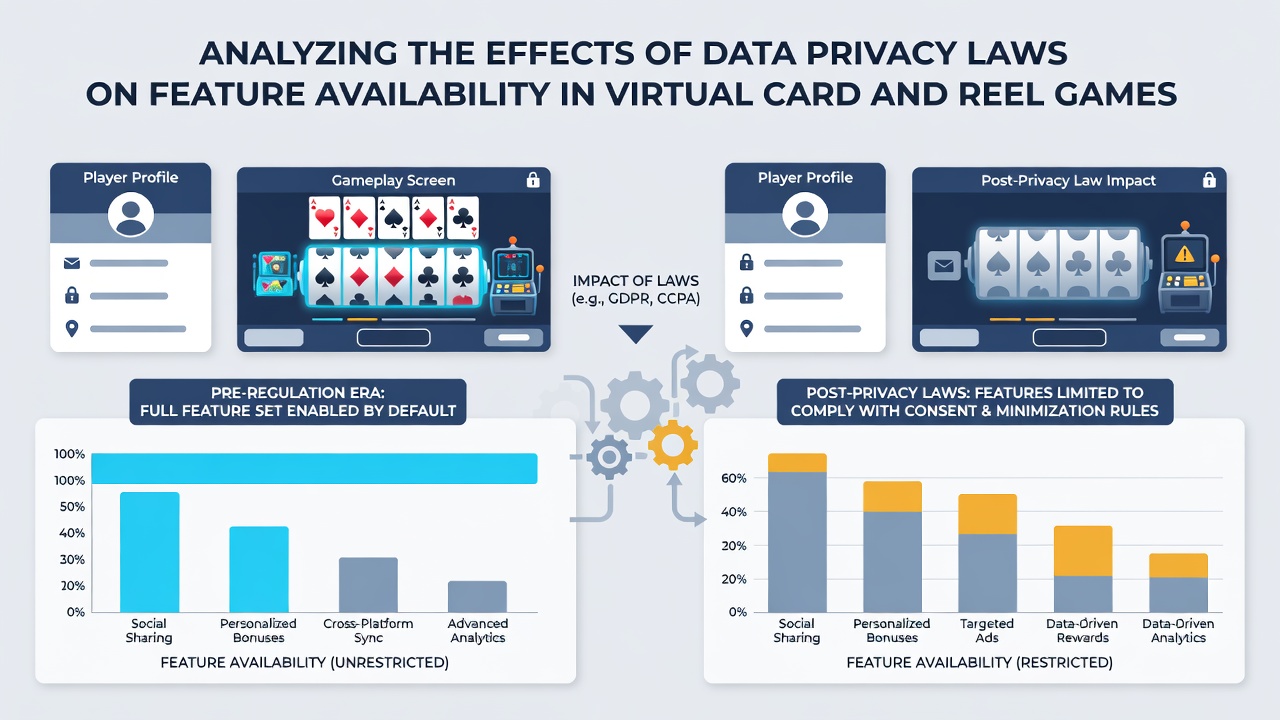
What's interesting is how analytics tools have evolved in response. Many providers now employ aggregated statistics that preserve privacy while still supporting basic performance metrics, though this approach eliminates finer-grained options such as predictive card suggestions derived from individual history. According to findings shared by the Federal Trade Commission, these constraints appear most pronounced in markets with overlapping state and federal requirements.
Regional Variations and Implementation Patterns
European operators tend to apply the most uniform restrictions because the General Data Protection Regulation applies across member states, whereas North American platforms navigate a patchwork of rules that produce uneven feature availability. In regions with newer statutes, such as parts of Asia-Pacific, developers have introduced modular systems that allow users to toggle data permissions and thereby unlock or restrict specific game mechanics. Reports from academic institutions studying digital gaming environments document these differences through comparative analyses of feature sets in regulated versus less-regulated jurisdictions.
November 2026 brought updated guidance from several oversight bodies that clarified acceptable uses of anonymized telemetry in gaming applications. These clarifications prompted some platforms to restore limited versions of previously disabled features, including certain loyalty point multipliers tied to aggregate rather than individual data. Observers have tracked how these adjustments influenced the rollout of new card game variants during that period.
Impact on Bonus Structures and Loyalty Systems
Bonus redemption patterns and loyalty programs in virtual card and reel environments have undergone measurable shifts due to privacy constraints. Systems that once linked rewards directly to detailed play histories now rely more heavily on consent-based or aggregated inputs, which reduces the granularity of available incentives. Data collected by gaming associations shows that operators in stricter regulatory zones offer fewer personalized promotions compared with those operating under lighter frameworks.
Turns out these changes also affect how features integrate with payment pathways, since transaction data often intersects with privacy rules. Platforms have introduced separate consent layers for financial information, which in turn limits the seamless connection between spending patterns and in-game rewards that some users previously enjoyed.
Conclusion
Data privacy laws continue to influence the range of features operators can provide in virtual card and reel games by imposing limits on data usage and requiring explicit user permissions. Evidence from regulatory filings and comparative studies demonstrates consistent patterns across regions, with adaptations focused on anonymized processing and modular consent options. As statutes evolve, platforms maintain compliance while adjusting the availability of personalization, tracking, and loyalty elements to align with legal requirements.